Symposium Panel 2026 | Holding the turbulent world at work
Holding/containing Turbulence
Dr Rica Viljoen, Dr Vusi Vilikati and Tiago Mendes in conversation with Thomas Mitchell
Conversation
The third containment panel brings together Dr Vusi Vilakati, Tiago Mendes and Dr Rica Viljoen in a shared conversation that both reflects on and extends the themes emerging throughout the symposium. Drawing from diverse psychoanalytic, organisational and cultural perspectives, the panel will explore how the concept of containment has evolved across traditions and how it may help us engage the turbulence of contemporary organisational and societal life.
The richness of psychoanalytic thought lies in its multiple schools and traditions. From the work of Klein, Winnicott, Bion, Jung and Graves to contemporary systems psychodynamic applications, containment has been understood in different but complementary ways. This conversation will explore these intersections while also crossing traditional boundaries between theory and practice, individual and collective experience, and organisational and societal realities.
Dr Vusi Vilakati brings an African consciousness and organisational leadership perspective, exploring positionality, relationality, story and the historical and cultural contexts shaping leadership and organisational life in Africa.
Tiago Mendes contributes scholarly insight into the development of psychoanalytic concepts and the continuing relevance of containment across traditions.
Dr Rica Viljoen brings a lens of inclusivity, emergence and multicultural engagement, drawing on Jungian thinking and Spiral Dynamics to explore how containment can create spaces where differences are held creatively and new possibilities emerge.
Together, the panel will seek not only to contain the conversations of the symposium, but also to open them outward towards the wider challenges, tensions and opportunities shaping the world of work, leadership and society today.
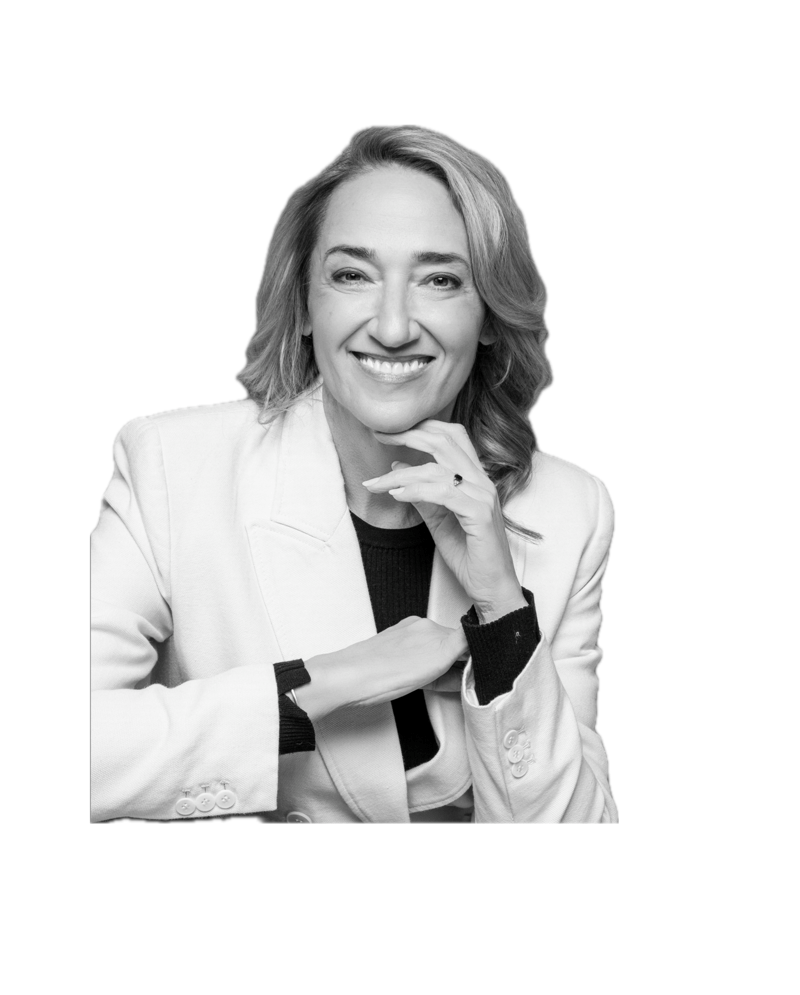
Dr Rica Viljoen
Dr Rica Viljoen is an organisational development scholar-practitioner, executive advisor and systems-psychodynamic consultant with more than 25 years’ experience across corporate, academic and international contexts. Her work focuses on organisational transformation, leadership, culture, authority and the relational dynamics that shape human systems. She is a Board member of the International Society for the Psychoanalytic Study of Organizations (ISPSO), where she contributes to membership and research. Rica’s doctoral work on sustainable organisational transformation through inclusivity received international recognition from the Academy of Management. Her practice draws on Jungian and psychoanalytic thinking, systems psychodynamics, Inclusivity Theory, Ubuntu and Spiral Dynamics, with particular interest in how people participate in organisations under changing life conditions. She has published and edited several books on organisational change, inclusivity, co-determination, Spiral Dynamics and organisational sustainability, and continues to work across Africa and internationally as an advisor, facilitator, researcher and educator, and postgraduate supervisor and speaker.
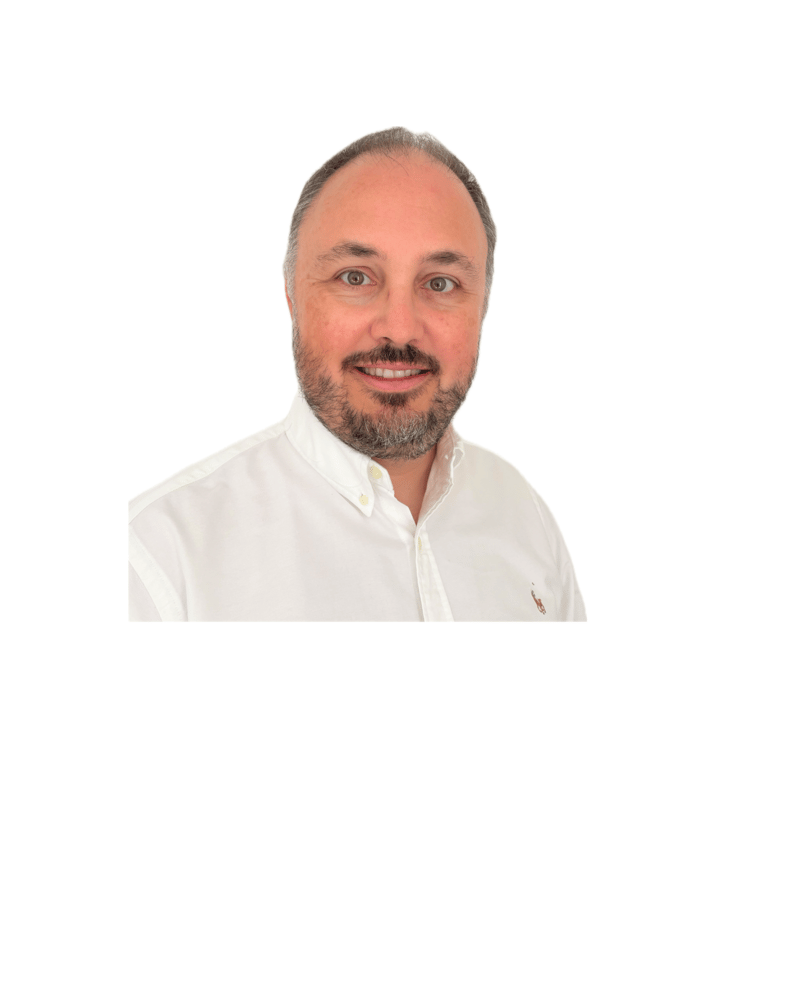
Dr Tiago Mendes
Dr Tiago Mendes holds a PhD Psychoanalytic Studies from the University of Essex and an MBA from Rice University (Houston). Tiago is a Family Therapist working in private clinical setting.
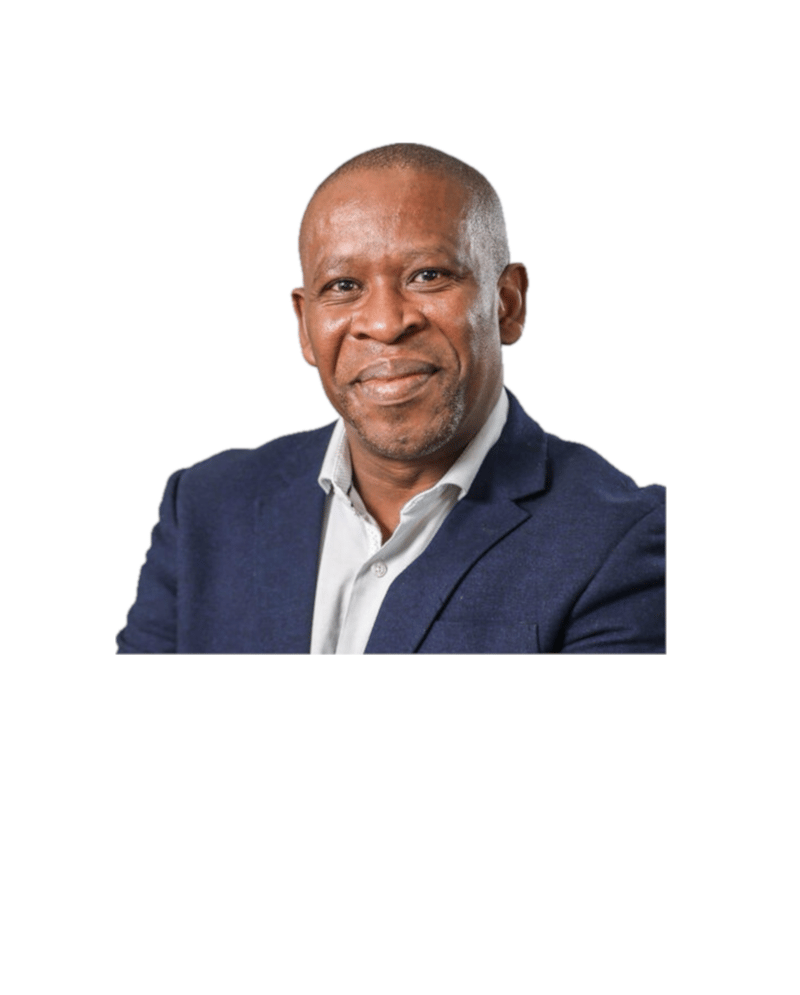
Vusi Vilikati
Dr Vusi Vilakati is an Organisational Consultant and Head of Business Integration, Insurance and Asset Management of Standard Bank. Vusi is an African Spiritual Consciousness facilitator, scholar, and practitioner.
He is passionate about the intersection between identity, located-ness or positionality and context in the in the facilitation and embodiment of African spiritual consciousness, values, and practices within organisations. He believes that in the emerging VUCA business and public leadership context, Africa urgently needs to develop future referenced, contextually attuned and globally responsive leaders to translate business goals and leadership toward the continent's social and economic advancement. Previously, Vusi was an insightful civic organisation leader. He is known as a speaker, facilitator and researcher and his experience spreads across a number of key organisational roles in strategic planning, policy formulation, seminary lecturing, leadership training, facilitating diversity management initiatives, organisational transformation, and change, and coordinating in-service training, recruitment, selection and team building.
Vusi’s interests are African consciousness in leadership development, and coaching, the role of business in society, corporate citizenship, cross-cultural management, the contribution of emerging economies to global geo-economics, outcomes-based, and ethical leadership, leadership effectiveness, systems thinking, and holistic leadership development and economic and human advancement of Africa. Vusi holds MA in Theological studies, a MPhil HRM in Personal and Professional leadership and a doctorate in Leadership in Performance and Change (UJ). He is an experienced facilitator of immersive leadership development experiences focusing on diversity, inclusion, transformation and social entrepreneurship
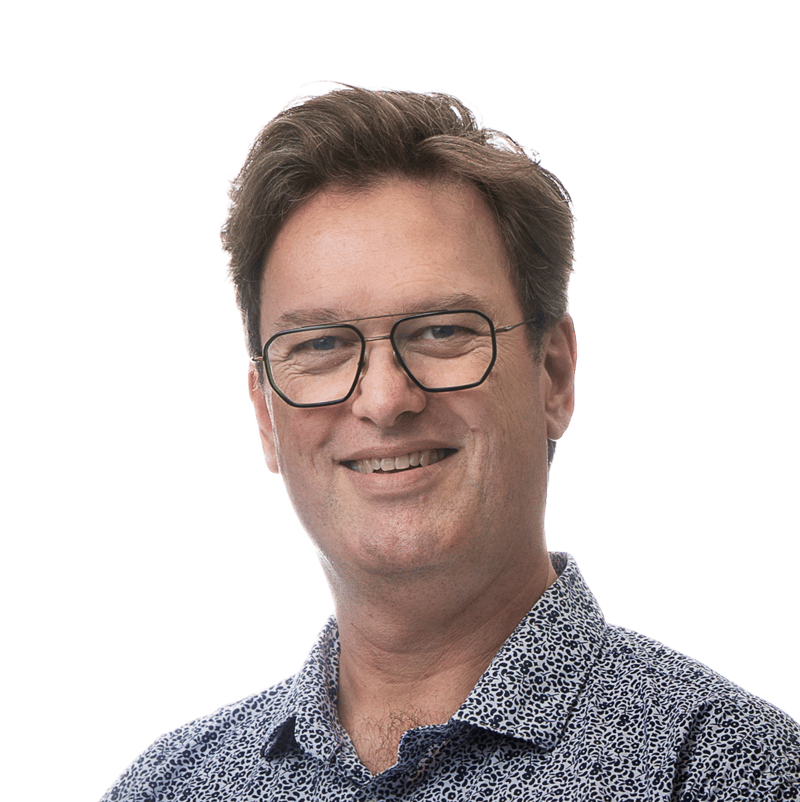
Thomas Mitchell
Thomas' hope is to contribute to making organisations more humane.
He believes life, including the workplace, is inherently relational — shaped by the groups, systems, and contexts we inhabit.
His philosophy is to combine candour and empathy to create spaces where people can safely examine assumptions, be challenged, connect with others, and discover new possibilities for themselves and their organisations.
Over the last several years he has enhanced his extensive professional experience by learning from, and working with, leaders across the executive coaching, group dynamics, and systems psychodynamics fields.
A graduate of the NIODA Master of Leadership and Management – Organisation Dynamics, he combines a deep understanding of working in large organisations with a passion for supporting others as they work toward gaining deeper awareness of their actions and drivers.
Presented by